
In the world of design the first step often involves a crucial element: the mood board. This powerful tool helps to visually communicate ideas, set the tone, and streamline the creative process. Let’s dive into what mood boards are, their benefits, and how to create one that effectively conveys your vision.
What is a Mood Board?
A mood board is a collage of images, colors, textures, typography, and other design elements that evoke a particular feeling or aesthetic. It serves as a visual reference point for projects, helping designers and clients align their visions before diving into the actual work. Mood boards can be physical (created with cutouts and swatches) or digital (crafted using design software or online tools).
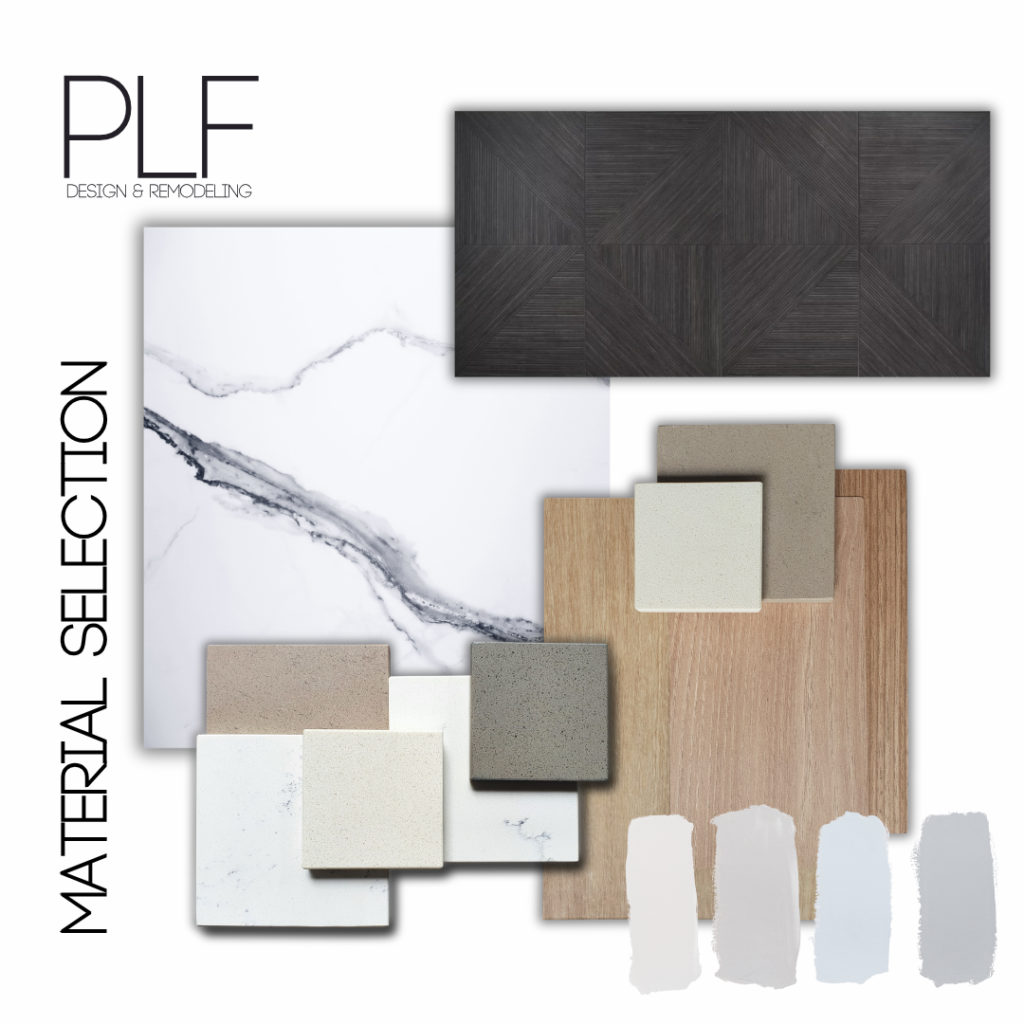
Why Use Mood Boards?
- Clarify Vision: Mood boards help clarify the overall vision for a project. By visualizing concepts, designers can communicate their ideas more effectively to clients and team members.
- Inspire Creativity: The process of gathering images and materials can spark new ideas and inspire creativity. It allows designers to explore different themes and styles that may not have been initially considered.
- Establish Direction: A mood board sets the direction for the project. It defines the color palette, style, and tone, ensuring that all design elements are cohesive and aligned with the overall vision.
- Facilitate Communication: Mood boards serve as a common reference point for everyone involved in the project. They help bridge gaps in understanding, making it easier to discuss and refine ideas.
How to Create an Effective Mood Board
- Define Your Goals: Start by identifying the purpose of your mood board. What Are you designing? Knowing your objectives will guide your choices.
- Gather Inspiration: Collect images, colors, textures, and typography that resonate with your vision. Use platforms like Pinterest, Instagram, or design websites to find inspiration.
- Choose a Color Palette: Select a color scheme that reflects the mood you want to convey. Colors can evoke emotions and set the tone, so choose wisely.
- Arrange Thoughtfully: Whether you’re creating a physical or digital mood board, arrange your elements in a way that feels harmonious. Consider the balance of colors, textures, and imagery.
- Edit Ruthlessly: Less is often more. Focus on the elements that truly capture the essence of your vision, and don’t hesitate to remove anything that feels out of place.
- Seek Feedback: Share your mood board with trusted colleagues or clients to gather feedback. This collaboration can lead to new insights and refinements.
Mood boards are an invaluable asset in the design process, allowing you to visualize ideas, inspire creativity, and establish a clear direction. By harnessing the power of mood boards, you can ensure that your projects resonate with the intended audience and achieve your design goals. So, whether you’re embarking on a new project or refining an existing one, consider creating a mood board to guide your creative journey!
Happy designing!