
When planning a bathroom renovation, one of the biggest decisions is choosing between a freestanding tub and a built-in tub. Both offer unique advantages, and the right choice depends on your space, style preferences, and how you use your bathroom. In this guide, we break down the pros and cons of freestanding vs. built-in bathtubs to help you make an informed decision.
What Is a Freestanding Tub?
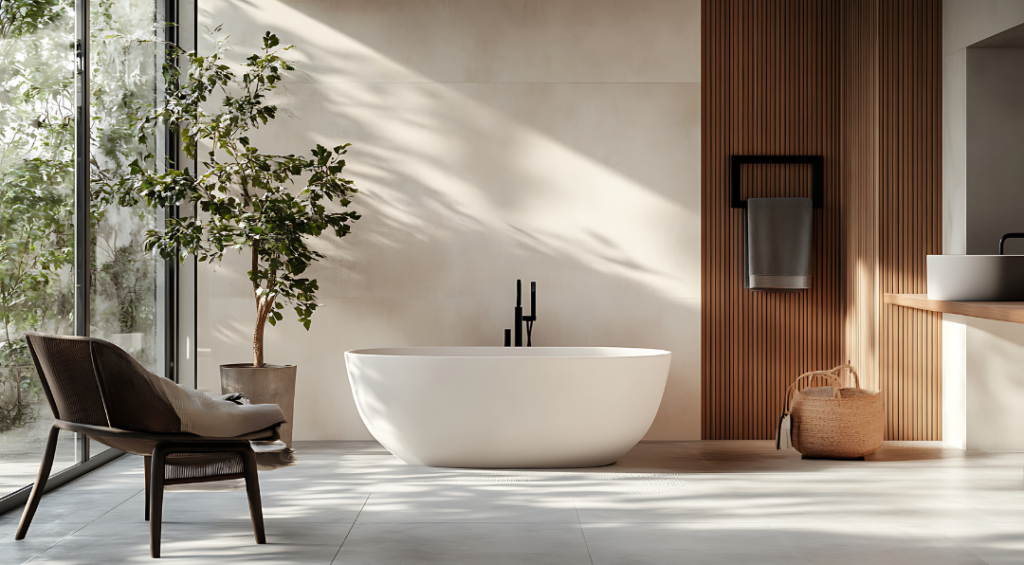
A freestanding bathtub is a stand-alone unit that is not attached to any walls. It often serves as a focal point in modern or luxury bathrooms and comes in various shapes and materials.
Pros of Freestanding Tubs
1. Elegant and Stylish Design
Freestanding tubs add a high-end, spa-like aesthetic. They are often used as statement pieces that elevate the overall bathroom look.
2. Flexible Placement
Because they don’t require walls for installation, freestanding tubs can be placed almost anywhere in the room—ideal for spacious bathrooms.
3. Variety of Styles
From modern minimalist designs to vintage claw-foot models, freestanding tubs offer more design flexibility.
Cons of Freestanding Tubs
1. Require More Space
Freestanding tubs need space around them, making them less practical for small bathrooms.
2. More Expensive Installation
Plumbing often needs to be adjusted to fit the tub’s location, which may increase installation costs.
3. Harder to Clean Around
Because they stand alone, cleaning the floor around and underneath them can be challenging.
What Is a Built-In Tub?
A built-in bathtub, also known as an alcove or drop-in tub, is installed against one or more walls. It is a classic and efficient choice for most homes.

Pros of Built-In Tubs
1. Space-Efficient
Built-in tubs fit neatly into corners or alcoves, making them ideal for smaller bathrooms.
2. Easier to Clean
With walls on one or more sides, there are fewer exposed surfaces to clean.
3. More Budget-Friendly
They typically cost less to install because plumbing is already in place and installation requirements are minimal.
Cons of Built-In Tubs
1. Limited Design Options
Built-in tubs tend to look more standard and offer fewer stylistic choices compared to freestanding tubs.
2. Less Luxurious Feel
They provide functionality but lack the dramatic visual impact of freestanding tubs.
3. Installation Not as Flexible
Placement depends on existing walls and layout, giving you fewer design possibilities.
Both freestanding and built-in bathtubs have unique advantages, and the best option will depend on your bathroom layout, design goals, and lifestyle. If you’re aiming for elegance and flexibility, a freestanding tub is an excellent choice. For practicality, affordability, and space efficiency, a built-in tub may be the better fit.