
Designing or remodeling a staircase in your home isn’t just about aesthetics — it’s also about safety, comfort, and compliance with building standards. Whether you’re planning a new build or updating an existing staircase, understanding the standard measurements is essential. Here, we’ll break down the key elements of a residential staircase: tread depth, riser height, stair width, and handrail dimensions
1. Tread Depth (The Step You Step On)
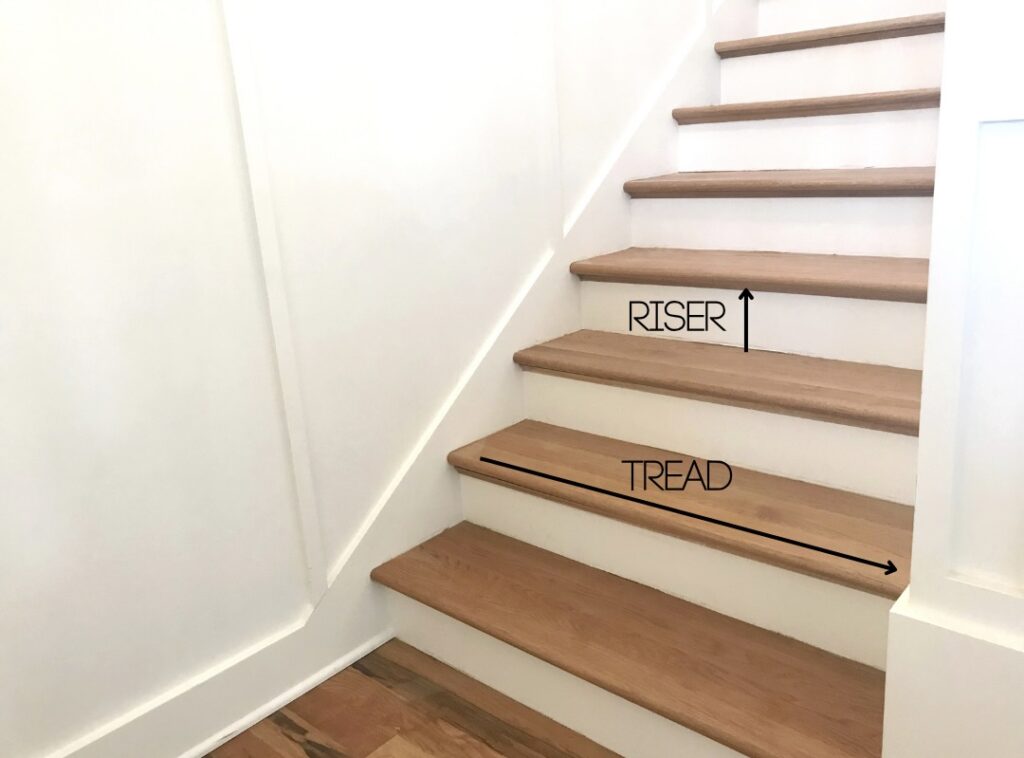
The tread, also known as the “run” or “step depth,” is the horizontal part of the stair where you place your foot.
- Standard tread depth: between 10 and 11 inches.
This size offers enough space for a secure footing and a comfortable stride. If the tread is too narrow, it can feel cramped and unsafe, while too deep can disrupt your walking rhythm.
2. Riser Height (The Vertical Part of the Step)
The riser is the vertical section between one step and the next. Getting this measurement right is crucial for comfort and safety.
- Standard riser height: between 7 and 7.75 inches.
A riser higher than 8 inches may feel steep and tiring, especially for children or older adults. Consistency is key — each riser should be the same height throughout the staircase to avoid tripping hazards.
3. Stair Width (How Wide the Staircase Should Be)
The width of a staircase affects both safety and accessibility. In residential homes, wider stairs feel more open and easier to navigate, but minimum widths are set for safety reasons.
- Minimum residential stair width: 36 inches (measured above the handrail).
For larger or more luxurious homes, homeowners often prefer widths between 42 and 48 inches for a more spacious feel.
4. Handrails and Guardrails (For Safety and Style)
Handrails are vital for stability, especially on longer or steeper staircases.
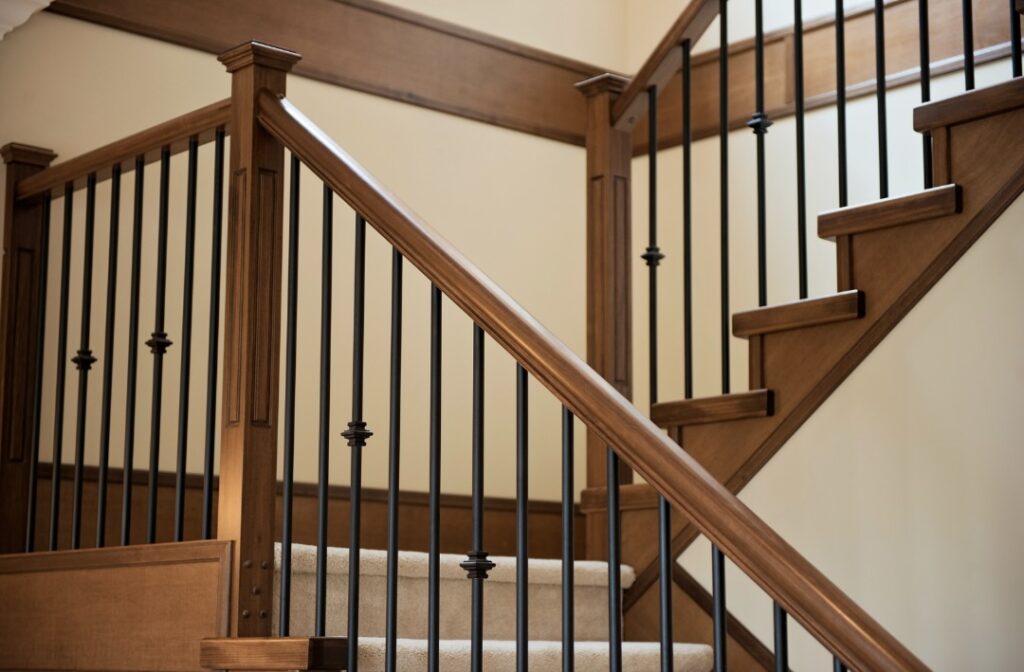
- Standard handrail height: 34 to 38 inches (measured vertically from the tread’s nose).
Guardrails, which protect open sides of staircases or landings, should be at least 36 inches high, ensuring a safe barrier against falls.
For spacing, the balusters (vertical posts between the handrail and tread) should be no more than 4 inches apart to prevent accidents, especially in homes with small children.
When designing a residential staircase, blending safety, comfort, and design is key. Following standard dimensions not only ensures your stairs are up to code but also guarantees a smooth and pleasant experience every time you go up or down.
If you’re planning a renovation or a new build, consulting with a professional ensures your staircase meets both aesthetic and safety standards — perfectly tailored to your home.